Phone Number Spoofing Scams
February 18, 2026Pause Before You Respond!
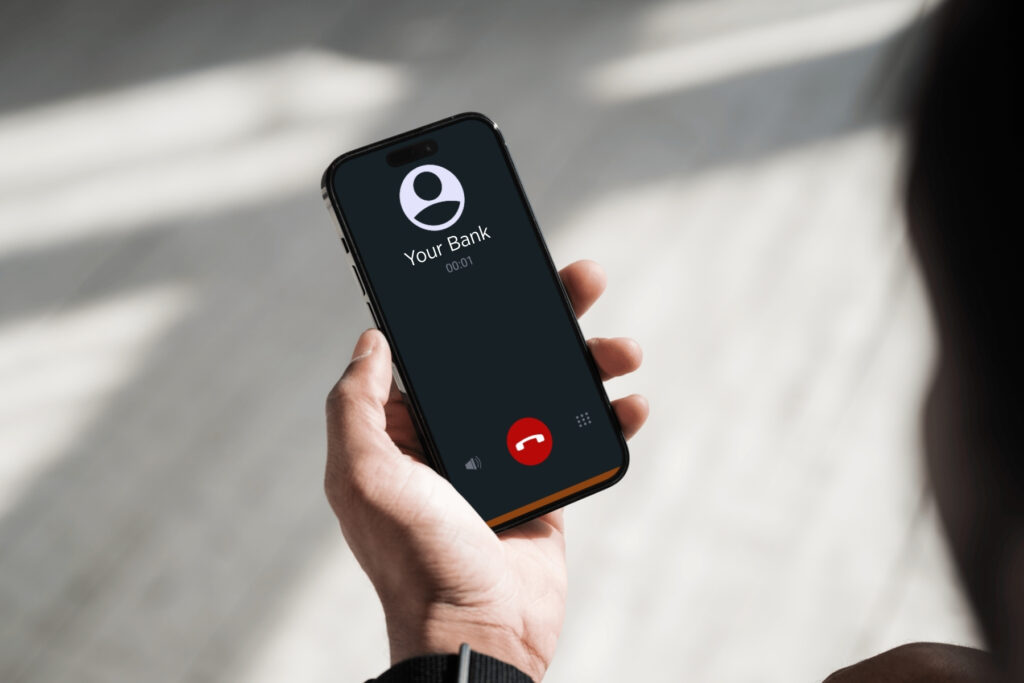
When Caller ID Lies
Scammers are getting smarter and more convincing.
If your phone rings and the caller ID shows a local number, your bank’s name, or even a government agency, you may assume it’s legitimate. Unfortunately, criminals can fake (or “spoof”) phone numbers to make calls look real.
This type of scam is on the rise nationwide and financial institutions are common targets.
What Is Phone Number Spoofing?
According to the Federal Communications Commission (FCC), spoofing happens when a caller deliberately falsifies the information transmitted to your caller ID display to disguise their identity. To criminals, your phone is a gateway to your bank accounts, identity, credit and retirement funds.
Scammers may:
- Make a call appear to come from your bank
- Use a local number (called “neighbor spoofing”)
- Mimic a government agency
- Fake a utility company or insurance provider
Their goal?
To get you to answer and then panic.
What Is “Neighbor Spoofing”?
“Neighbor spoofing” is when scammers use a phone number that shares your:
- Area code
- First three digits
- Or appears local to your community
They’re hoping you’ll answer because the number looks familiar.
Once you answer, they may:
- Claim there’s suspicious activity on your account
- Say your Social Security number was compromised
- Threaten legal action
- Demand immediate payment
- Ask to “confirm” personal information
They want you to react quickly before you think.
Important: Caller ID Cannot Be Trusted
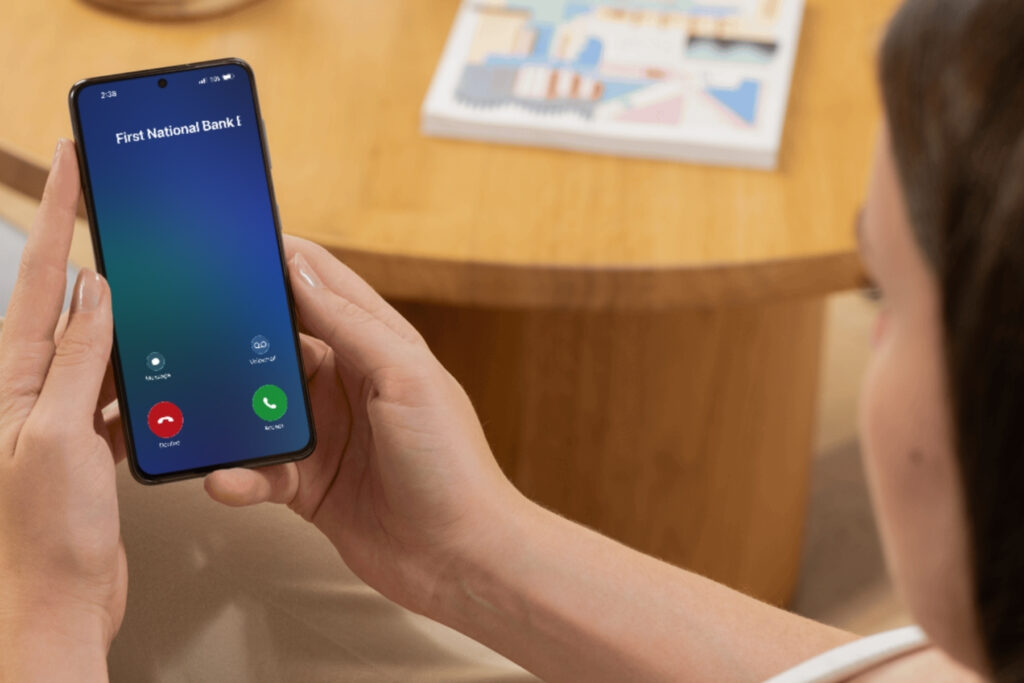
The Federal Bureau of Investigation (FBI) warns that criminals use spoofing to impersonate trusted organizations and steal money or personal information.
Even if your caller ID shows:
- First National Bank Bemidji
- A local number
- A government agency
- A utility company
It could still be a scam.
Red Flags of a Spoofing Scam
Be cautious if the caller:
- Pressures you to act immediately
- Asks for account numbers, passwords, PINs, or security codes
- Requests your online banking login
- Threatens arrest, account closure, or legal action
- Tells you not to hang up
- Asks you to transfer money or buy gift cards
Scammers rely on urgency and fear.
What Should You Do?
1. Don’t Answer Unknown Numbers
If it’s important, the caller will leave a voicemail.
2. Hang Up Immediately If Suspicious
If you feel pressured, hang up. You do not need to explain yourself.
Some experts recommend not even answering with “yes” or “no.”
3. Never Share Sensitive Information
First National Bank Bemidji will never call and ask for:
- Online banking passwords
- One-time security codes
- Full debit card numbers
- PIN numbers
4. Call Back Using a Trusted Number
If you think the call might be legitimate:
- Hang up
- Look up the official number on:
- The back of your debit card
- Your bank statement
- The bank’s official website
- Call that number directly
Do not use the number that called you.
Report Spoofing Scams
Reporting helps stop these scams and protects others.
You can file a complaint with:
- The Federal Communications Commission at consumercomplaints.fcc.gov
- The Federal Bureau of Investigation through ic3.gov
If you believe your First National Bank Bemidji account has been targeted, contact us immediately at 218-751-2430.